

A whoosh up the Northern Line to Belsize Park, to visit a building that I knew about (but had never seen) and its attached museum/gallery (of which I was entirely ignorant, but which was worth the journey on its own).
These are the Lawn Road, or Isokon, flats, one of a cluster of modernist buildings in Hampstead and its fringes, and one of only two Grade I listed blocks in the UK (a listing that puts it on a par with Buckingham Palace, Nelson’s Column and Spencer House), a status it achieved as the first reinforced concrete building in the country, a construction of (externally) subtle curves and sharp lines, a 1930s vision of a clean, bright, communal future.

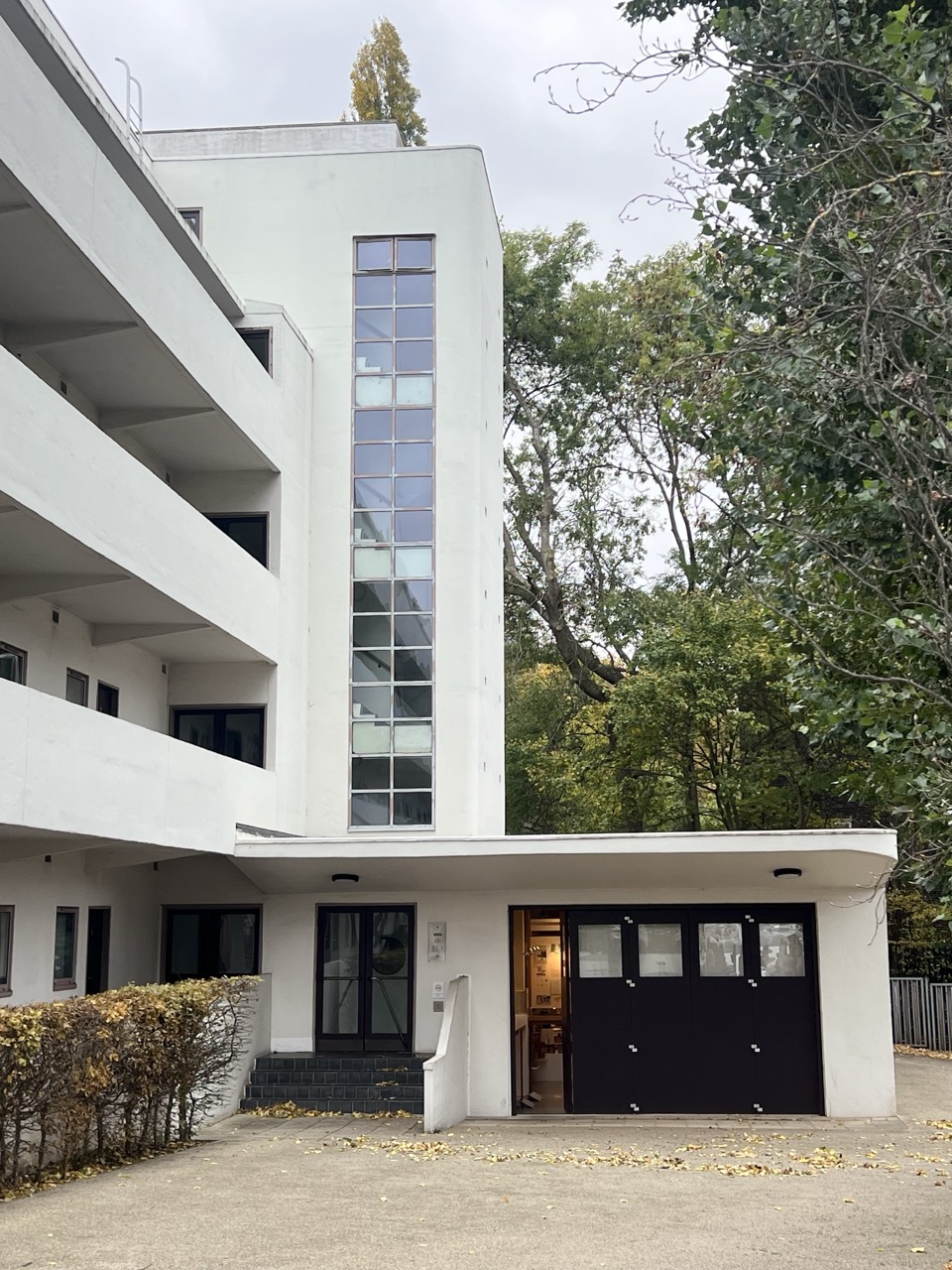
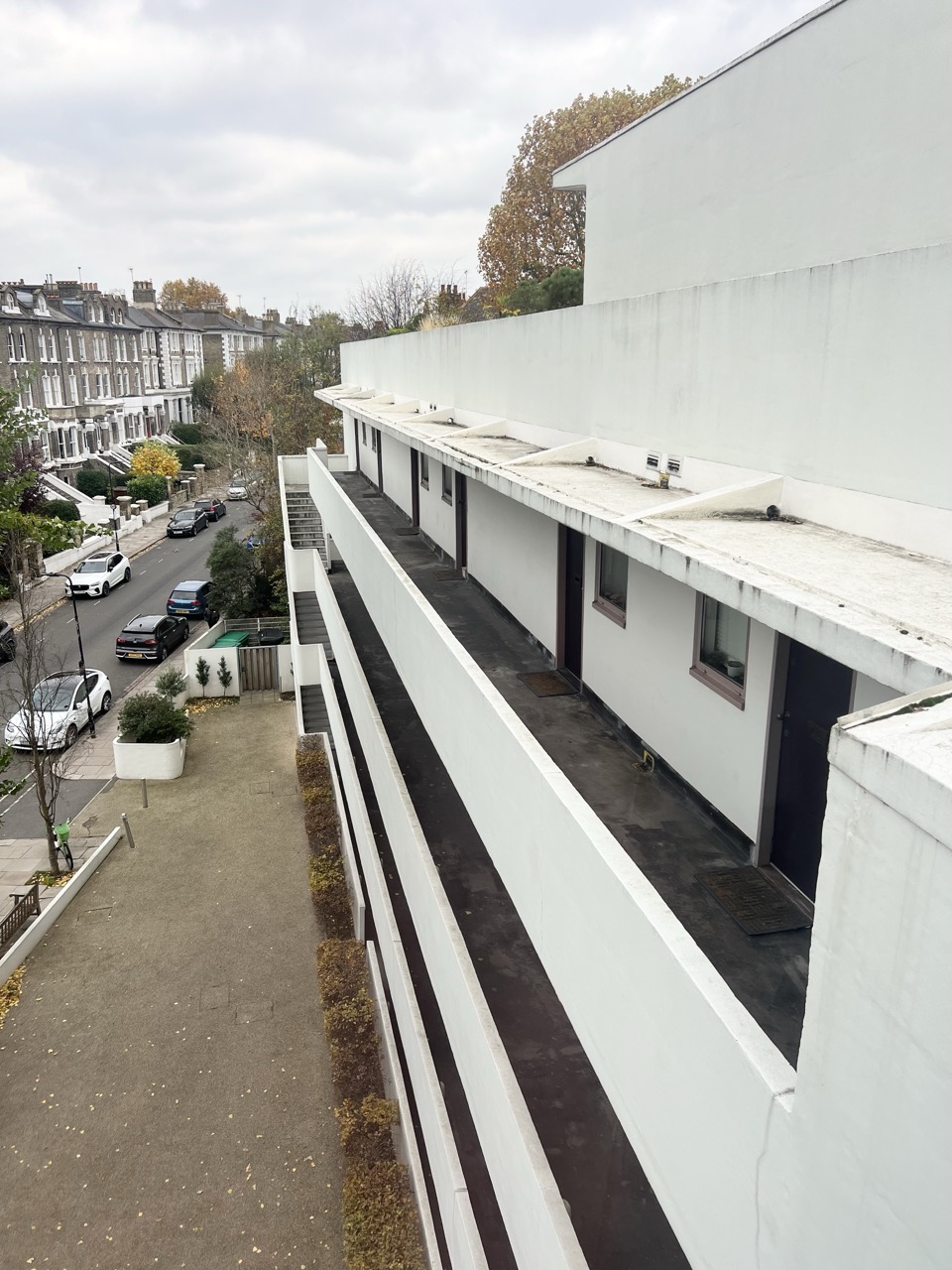
Isokon (“ISOmetric CONstruction”, but with a ‘K’ to make it appear more Russian and therefore of ‘the future’) was built in 1934, designed by a Canadian engineer turned architect called Wells Coates. He was a friend of, and commissioned by, Jack and Molly Pritchard, who had bought a plot of land intending to build a couple of ‘standard’ detached houses.
The Pritchards had, though, become fascinated with new European architectural movements, particularly the work of le Corbusier and the Bauhaus, and were inspired to bring these ideas to interwar Britain (at a time when the most prominent archetype was the suburban ‘Tudorbethan’ villa).
The concept was to create a block of living accommodation for rental, with small single rooms, a handful of doubles, and two larger penthouses (which the Pritchards kept for themselves). Facilities were laid on, with a resident staff providing cooking, cleaning and laundry services; in 1937 they went a step further by adding a restaurant and bar – the Isobar.
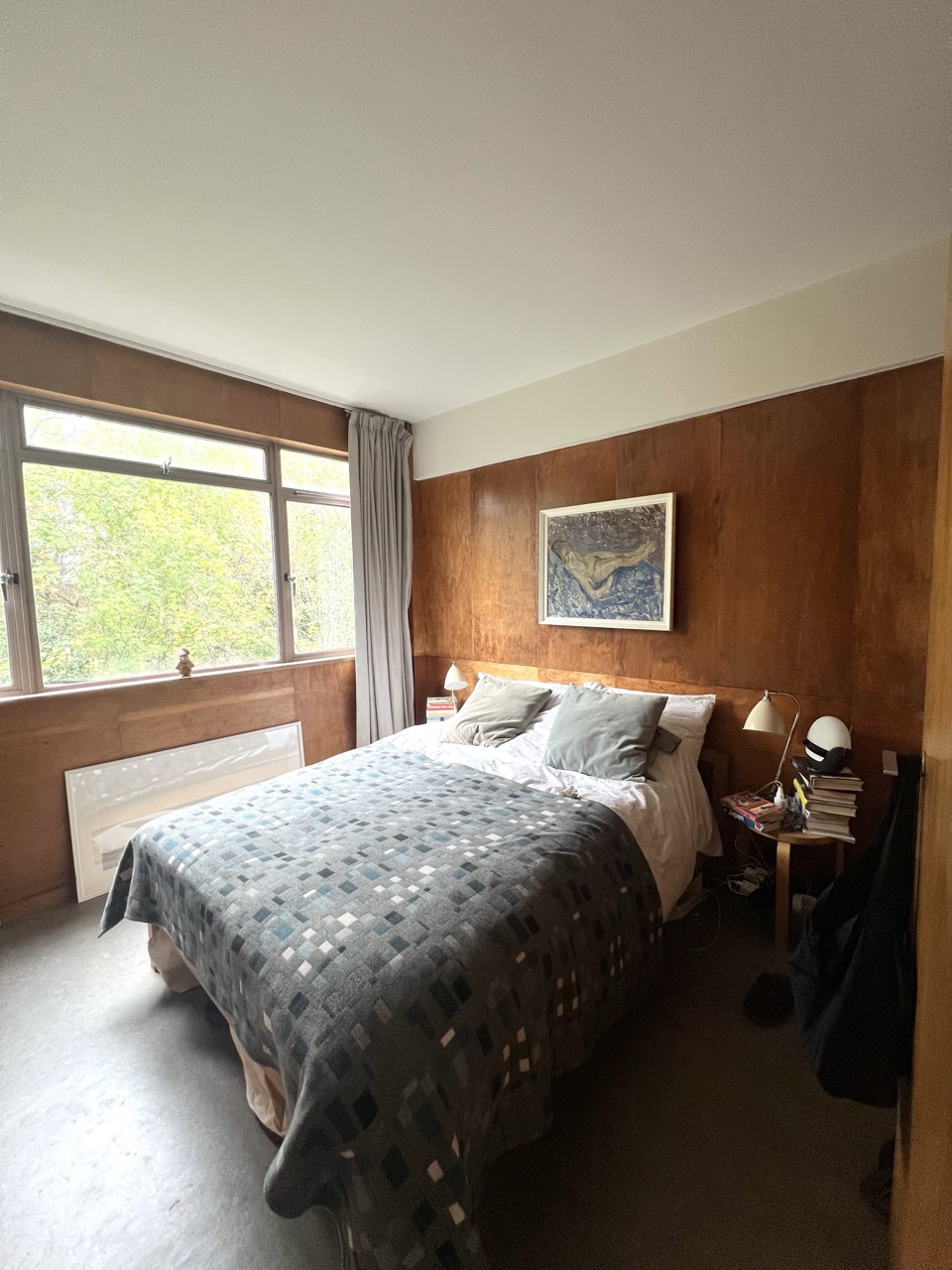
The smallest of the rooms are tiny, studio flats with a footprint of just 25 sq m (modern building regs stipulate a minimum living space of 37 sq m), which included a tiny kitchen, but a full size bathroom. This was living space designed for modern professionals who had the minimum of possessions.

Many of the residents did not really fit this profile however, but were creatives, emigres and intellectuals (some of whom had properties outside the capital and used their flats as a London pied a terre). Thus we find authors Agatha Christie and Nicholas Montserrat, Bauhaus masters (fleeing Nazi Germany) Walter Gropius, Marcel Breur and Laszlo Monology-Nagy, and a clutch of Soviet spies, including Arnold Deutsch, spymaster of the ‘Cambridge Five’. (Klaus Fuchs, the spy who passed atomic secrets to the Soviets, is said to have been recruited over dinner in the Isobar.)
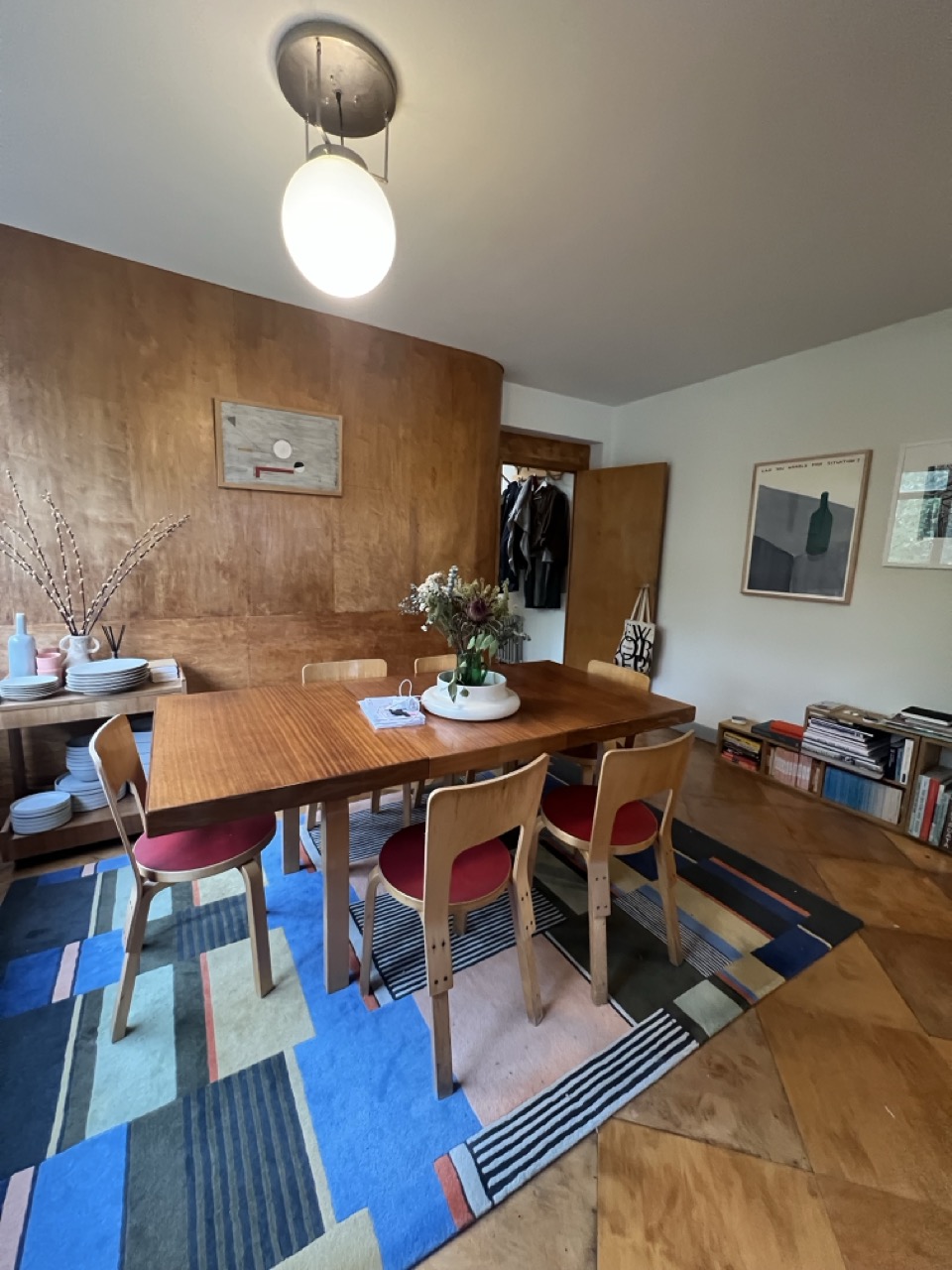
Jack Pritchard’s original job had been for an Estonian plywood manufacturer called Venesta, and inventive uses of that material permeated the project. The floor tiles in the penthouses were (still are) plywood, and famous examples of furniture include Breuer’s ‘Isokon Long Chair’ and architect and interior designer (and Lawn Road resident) Egon Riss’s ‘Isokon Penguin Donkey’, a small plywood bookcase designed to hold the new Penguin paperbacks.


1930s originals of these works fetch high prices, but the shop in the gallery has modern examples to buy.
As the Pritchards grew older they looked around for someone to sell the building to, and in 1969 lighted upon the New Statesman magazine, presumably because they felt that the publication shared their left-leaning world view. This didn’t work out well, the Statesman first of all converting the Isobar into further flats, then selling the whole property to Camden Council in 1972.
Things went from bad to worse, despite the flats being Grade II listed in 1974 and raided to Grade I in 1999. It seems Camden used the flats – those very small rooms – as a sort of hostel for homeless men, and the building slipped into decay and dereliction, ending up boarded up and empty, and facing demolition.
Salvation came when the property was sold to the Notting Hill Housing Trust and restored by Avanti Architects, reopening in 2004. And as part of the project the former garage of the flats was converted to the Isokon Gallery, which opened in 2014, on the 80th anniversary of the original completion of the building.
The gallery is staffed by volunteers, and therefore has limited opening hours (11:00 am – 4:00 pm each Saturday and Sunday, from the start of March until the end of November, but check on their website). It is well worth a visit, showing as it does the history of both the Lawn Road flats and the 1930s Modernist movement. There are examples of the original furniture, and of the original sales material that promoted the flats, and even menus from the Isobar, and an exceptional shop, with books, models and the aforementioned furniture all available.
For those who want to live the full Isokon life, flats in the block become available every now and then, such as this example of one of the studio rooms.


Leave a Reply