

In the 30 years or so that I’ve been living in this part of Battersea I must have passed through Clapham south tube (my nearest station) several thousand times, so the opportunity to go on a Hidden London tour of the WW2 bomb shelter beneath the tube platforms was one not to be missed.
Clapham South was one of eight deep level shelters built in 1942 (the others being at Belsize Park, Camden Town, Goodge Street, Stockwell, Claphams North and Common, and Chancery Lane). Each was designed to accommodate 8,000 people in relative comfort, and provide better protection than other public shelters, domestic shelters and the tube itself.
They are huge. Dug 30m underground, they consist of two parallel 400m tubes – cast iron or concrete sections bolted together – with cross passages connecting the two. These are 5m in diameter and ‘halved’ along their length to give upper and lower levels in which there were 16 dormitories, housing up to 500 people each in three-tiered bunks.
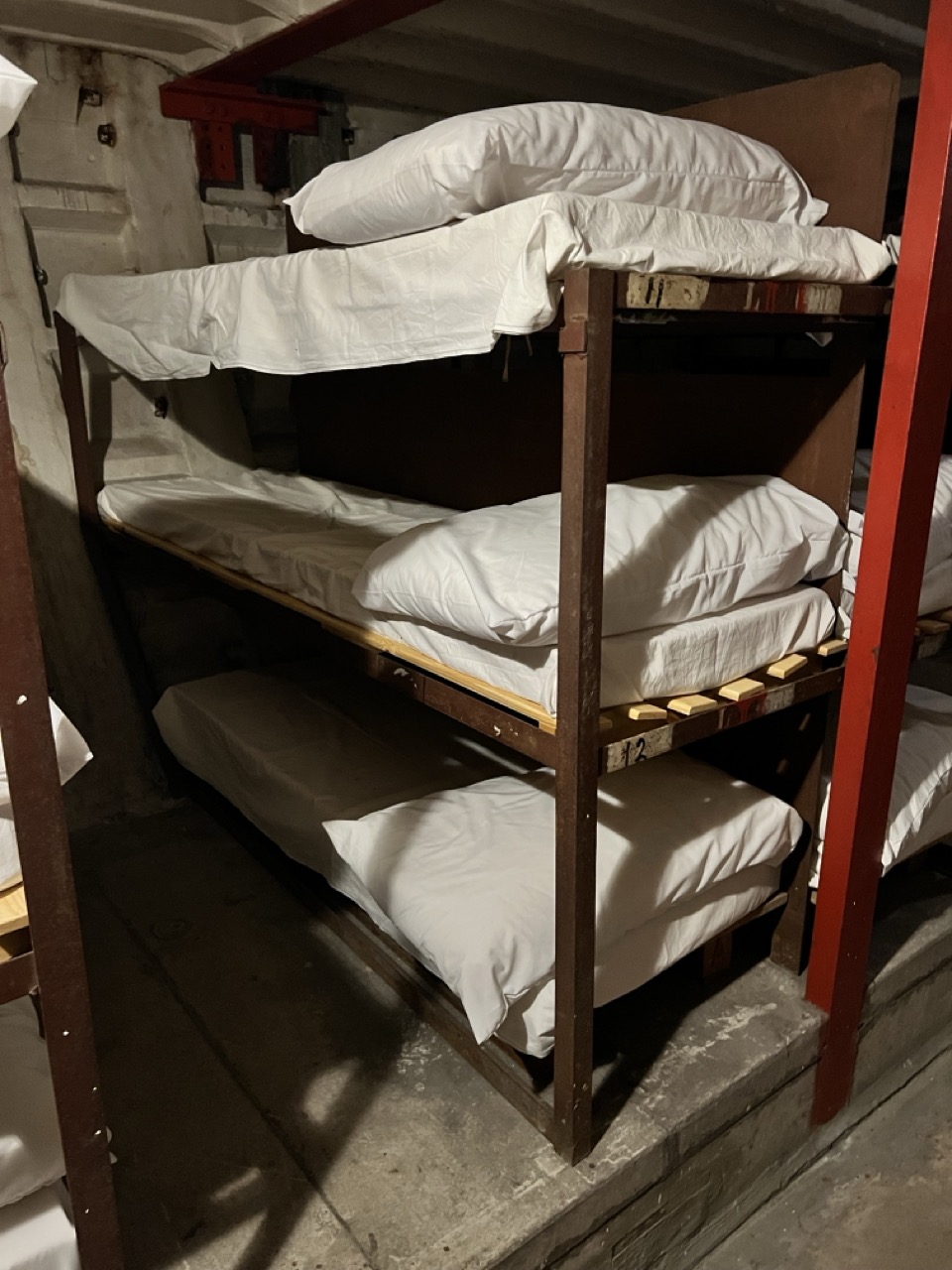
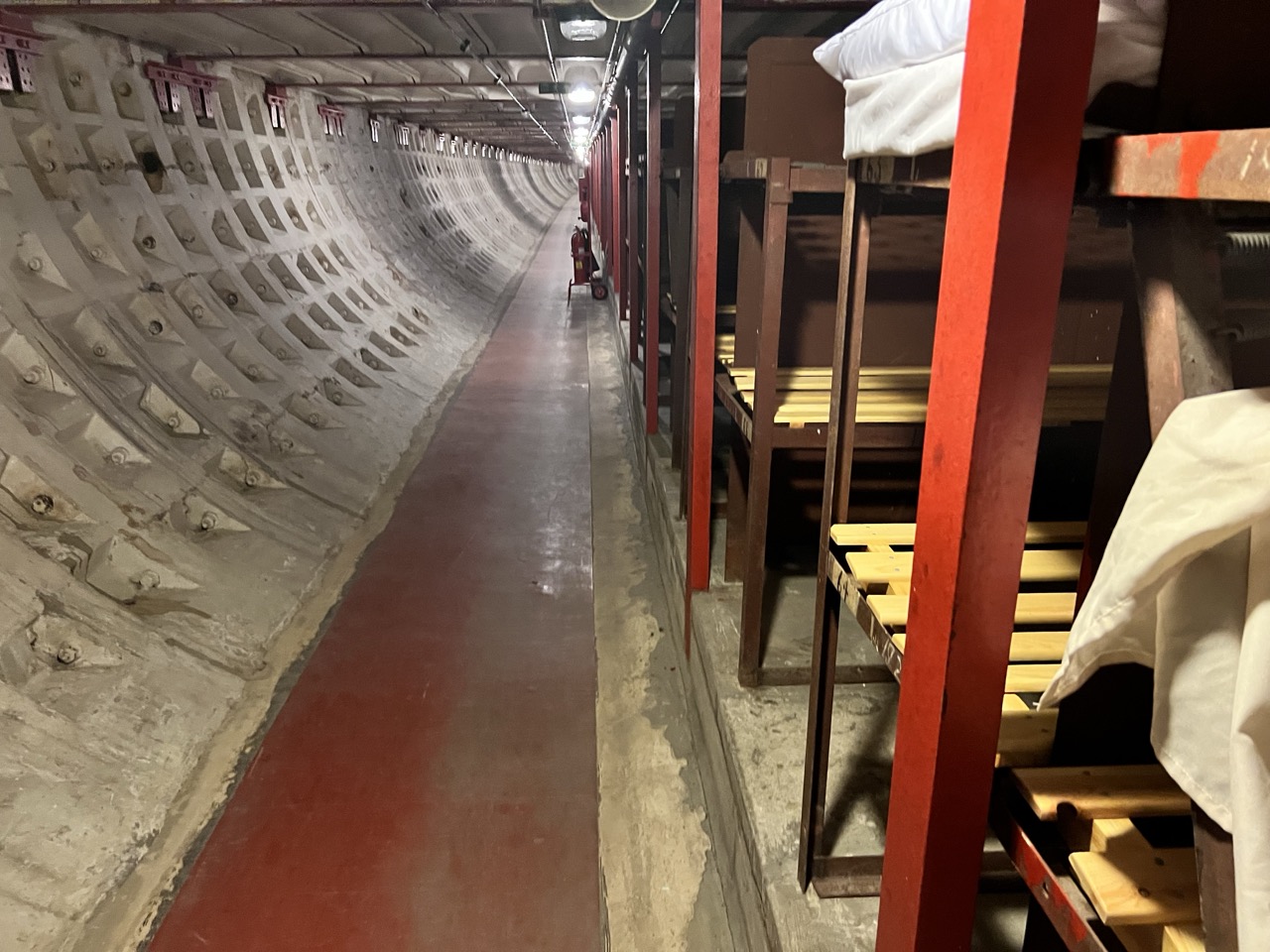
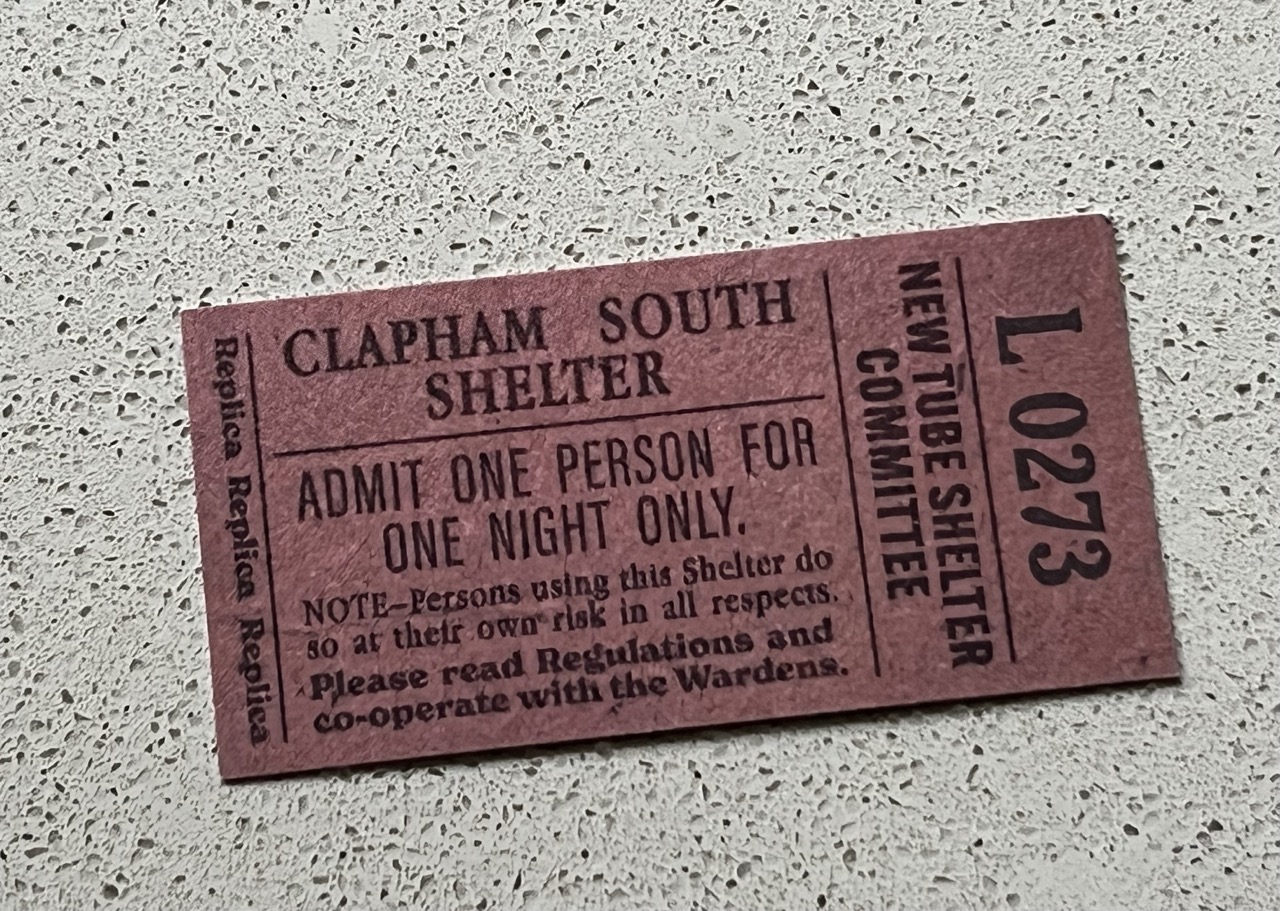
Although these shelters were purpose built and relatively comfortable (compared to some of the makeshift accommodation that had been in use), with canteens, medical facilities and occasional entertainments, it must have been pretty basic; sharing a dorm with 500 others, having to use chemical toilets, and with enforced ‘lights out’ at 10:30pm and a ‘rise and shine’ at 7:00am.
Because ‘the Blitz’ – the worst of the WW2 bombing of London – had finished a year before the shelters were completed, they were effectively mothballed until the Nazi V1 campaign started in the summer of 1944. As such, their use as air raid shelters lasted for less than a year. In fact Goodge Street – which the US military used; Chancery Lane – taken over by the Ministry of Information; and Belsize Park – used by the British Army, never did fulfil their original role as public shelters.
Although a few families who had been bombed out continued to live in the shelters once the war had finished in the summer of 1945, pretty soon these spaces were again empty, and purposeless. Clapham South was used subsequently, first for some of the Caribbean workers who arrived on Empire Windrush (there was a Labour Exchange set up below ground), then as a hostel (the capacity was reduced to 4,000 to make them slightly more comfortable) which was used to house people coming to the Festival of Britain in 1951, George VI’s funeral the following year, and the June 1953 coronation of Elizabeth II. After that, some of the shelters were used for Government storage, Chancery Lane became a telephone exchange, but, out of sight and out of mind, the facilities faded into obscurity.
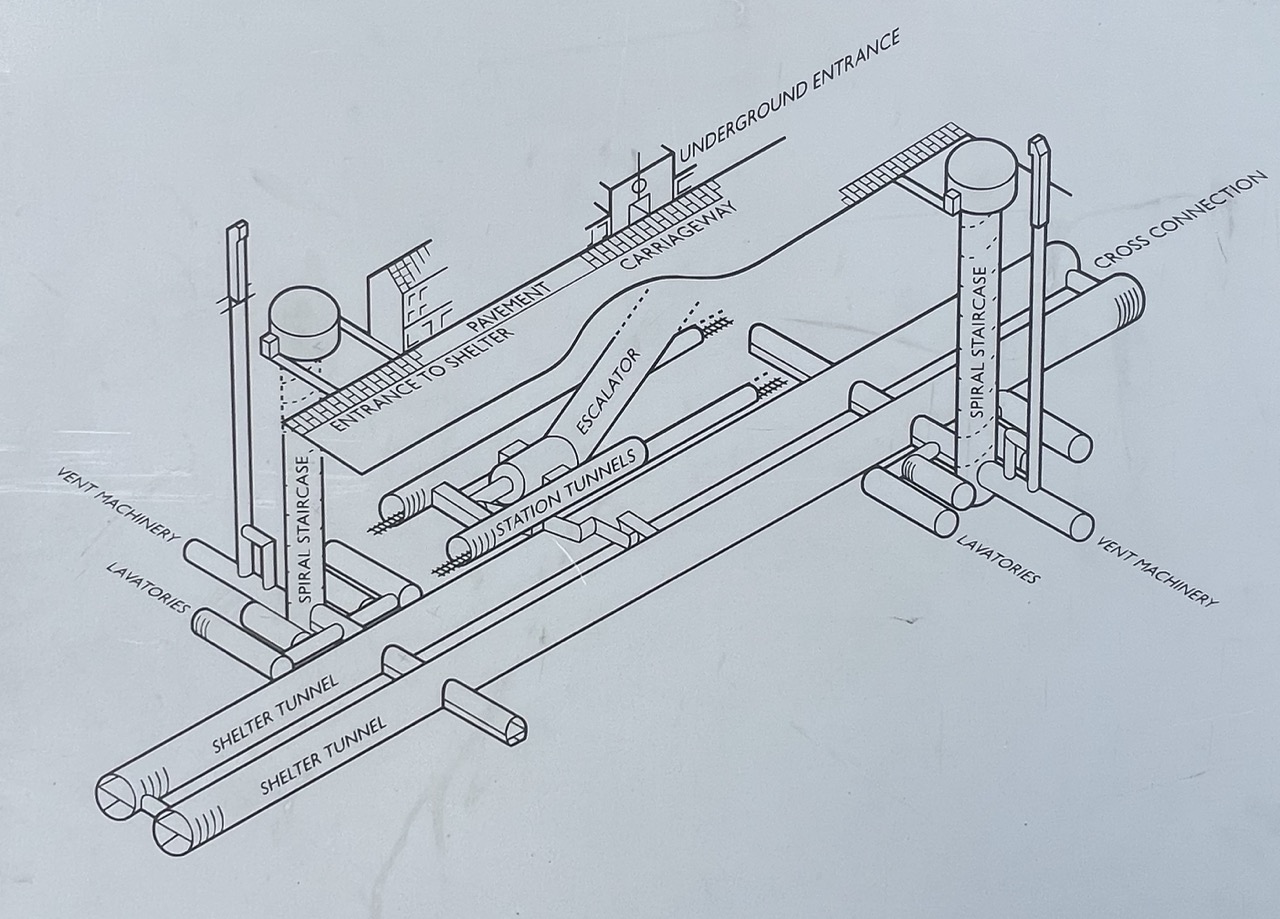
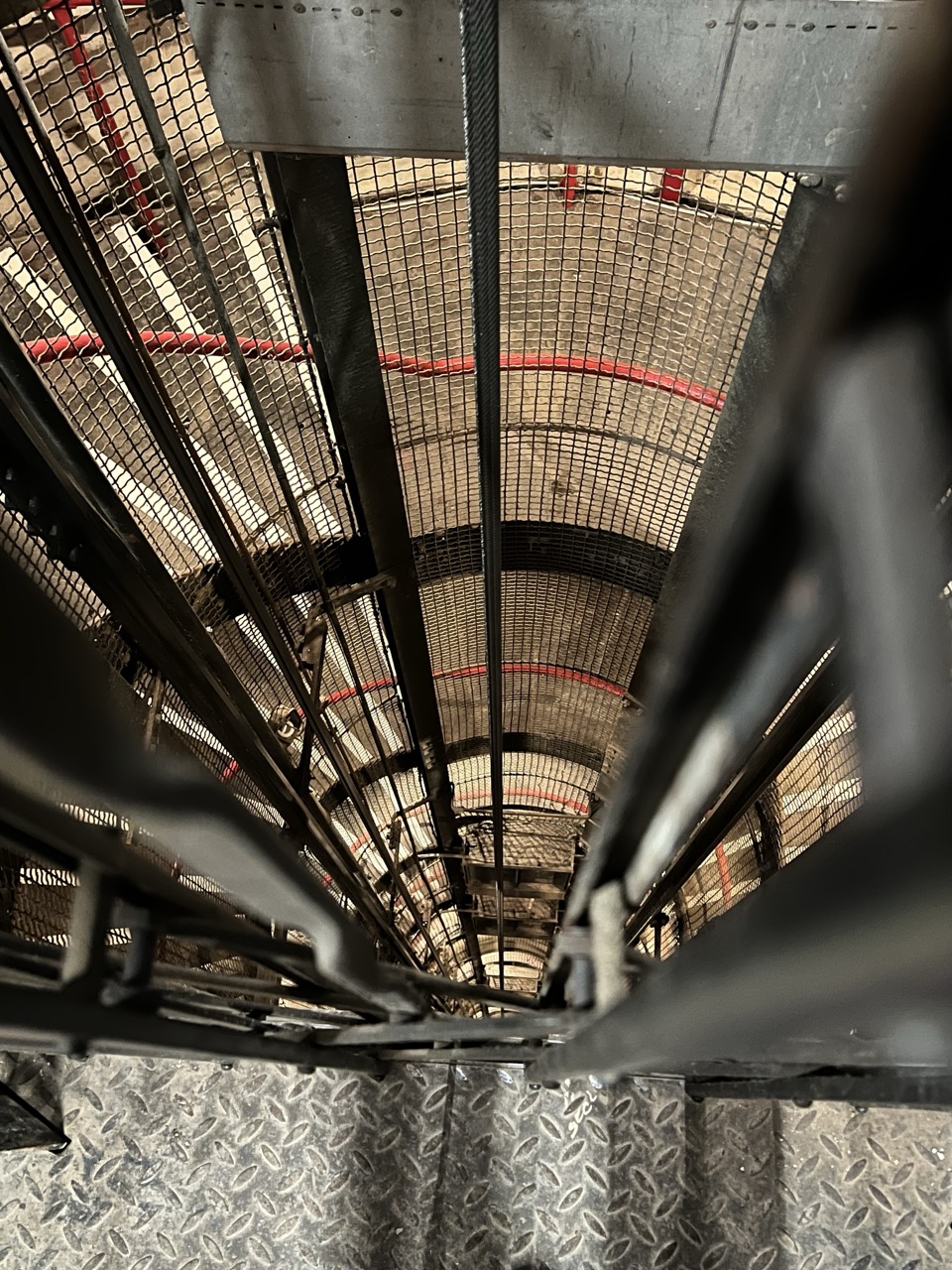
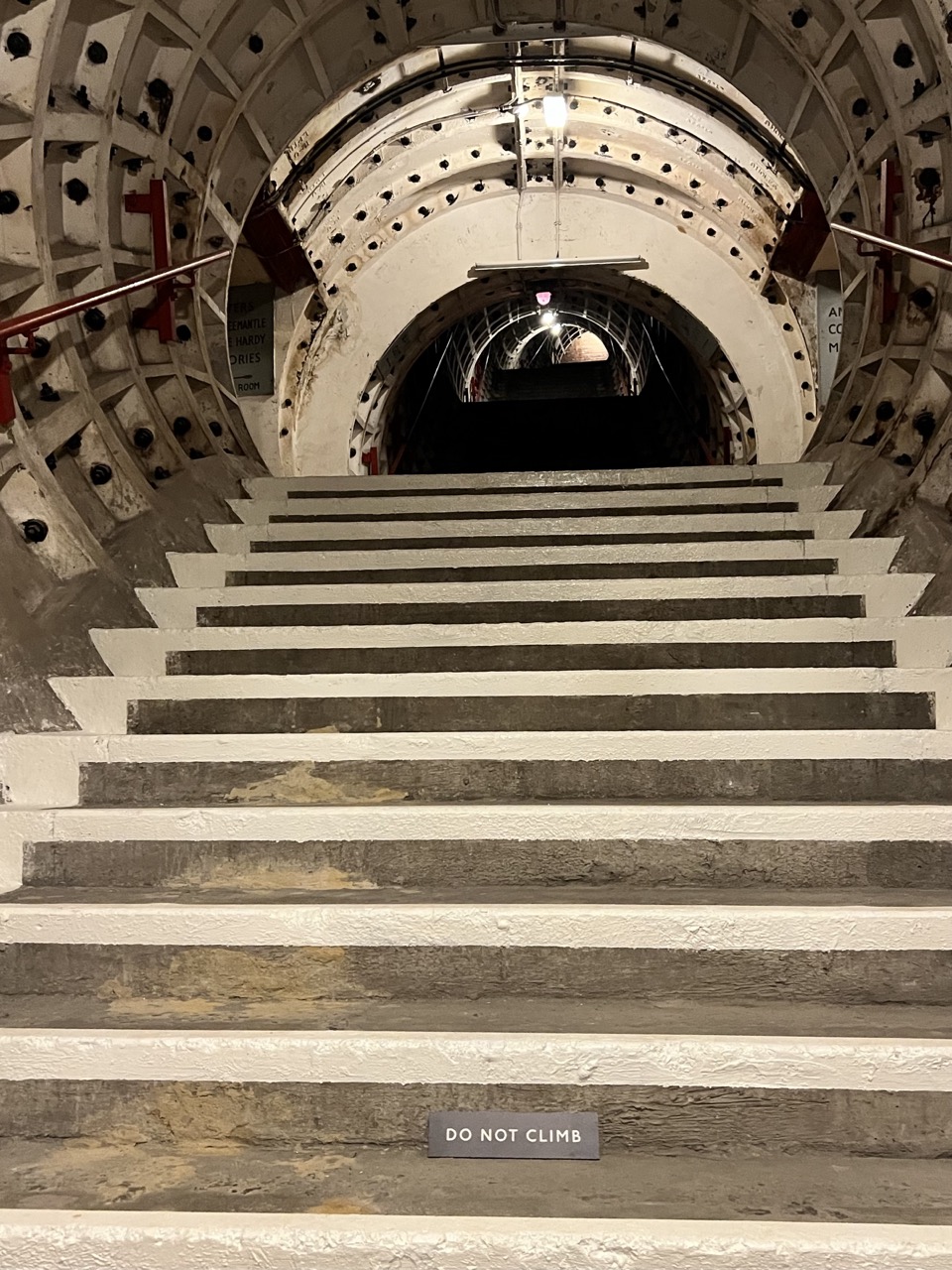
For the Hidden London tour one walks down (and, of course, later up) the 188 stairs that take you below the Northern line (there’s a regular rumble of trains passing overhead) and explore with a guide and a ‘re enactor’ in the role of one of the shelter wardens. As well as the history, what impresses is the sheer scale of the things, snaking their way under Clapham Common and under the feet and wheels of people at ground level who are going about their day oblivious of this life below ground. The tour isn’t cheap, but is recommended.

Leave a Reply